Kraft vs Corrugated Packaging: Which Should You Choose?
"Kraft vs corrugated" is one of the most common packaging questions — and slightly misleading, since corrugated board is often made with kraft liner. What brands really mean: the natural brown kraft look versus structured corrugated shipping boxes. Here's how to decide.
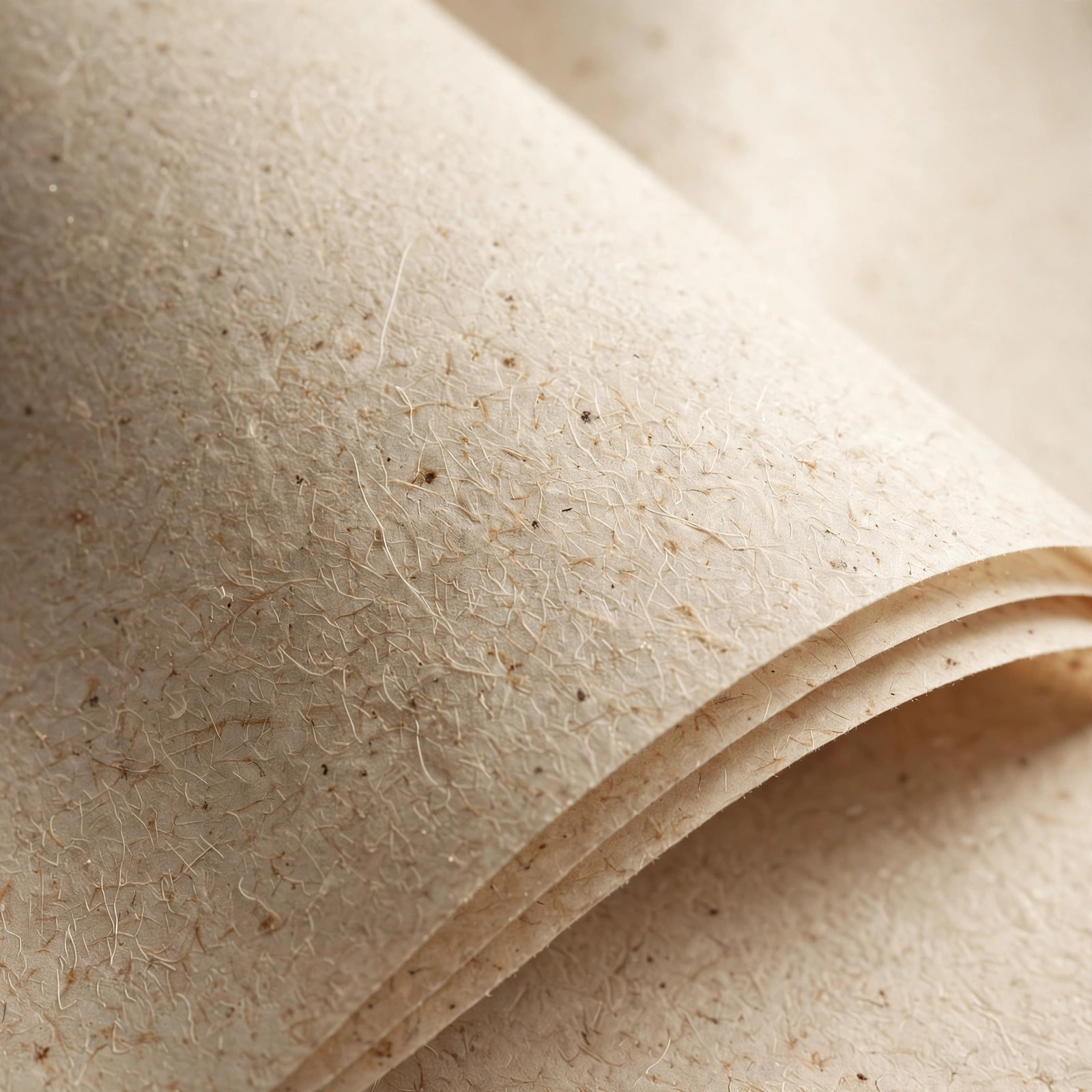
What each term actually means
- Kraft packaging usually refers to boxes and bags made from unbleached kraft paper or kraft paperboard — the familiar natural brown material. It can be a lightweight paperboard carton or a corrugated box with kraft liner.
- Corrugated packaging refers to the structure: a fluted (wavy) middle layer sandwiched between two liner sheets. The liners can be kraft (brown) or white, and the flute size (E, B, C) determines strength and print smoothness.
So the real choice is usually between a kraft paperboard carton (light, natural look, limited protection) and a corrugated box (structured, protective, available with kraft or white liners). Many brands use both: a kraft-look corrugated mailer gives you the aesthetic and the strength.
Strength and protection
- Corrugated wins for shipping. The fluted structure absorbs impact and resists crushing — it's engineered for parcel networks. E-flute for lighter products, B-flute or double-wall for heavier ones.
- Kraft paperboard suits light retail products. Cosmetics, tea, stationery, and other lightweight goods do well in kraft cartons — but these cartons shouldn't travel by parcel carrier without an outer shipper.
- Stacking matters. If boxes are palletized, corrugated's edge-crush strength is in a different league from paperboard.
Print and brand aesthetics
- Kraft's natural look is its brand asset: minimal, earthy, honest. One or two ink colors — black, white, or a brand color — look deliberate and premium on kraft. Full-color photography does not reproduce well on brown board.
- White-lined corrugated gives you the full print canvas: CMYK graphics, photography, and vibrant color. Costs a little more than kraft liner, typically 10–20%.
- Kraft liner with full color is a middle path many brands choose — the brown shows through subtly, giving prints a warm, organic tone.
Cost comparison
At comparable sizes, kraft paperboard cartons are generally the most economical rigid option for lightweight products, while corrugated mailers are the most economical protective option for shipping. The crossover: once a product needs real protection, a corrugated mailer costs less than a paperboard carton plus an outer shipper. White liners and heavier flutes each add roughly 10–20% over basic kraft corrugated.
Sustainability notes
- Both kraft and corrugated packaging are widely recyclable in standard paper recycling streams — a genuine advantage over plastic mailers.
- Unbleached kraft skips the bleaching step, which appeals to eco-positioned brands and their customers.
- Recycled-content board and FSC-certified options are available for both, typically at a small premium. Ask your supplier to specify the recycled percentage rather than accepting a vague "eco-friendly" label.
Which should you choose?
| Your situation | Choose |
|---|---|
| Shipping products by parcel carrier | Corrugated mailer or shipper (kraft or white liner) |
| Lightweight product, retail shelf or hand delivery | Kraft paperboard folding carton |
| Natural, minimal brand aesthetic | Kraft liner with 1–2 color print |
| Bold full-color branding | White-lined corrugated or white carton board |
| Heavy or fragile product | Double-wall corrugated with fitted insert |
| Premium unboxing on a budget | Kraft corrugated mailer with inside print |
Quick answers
Is kraft packaging stronger than corrugated?
No — corrugated board's fluted structure makes it significantly stronger and more protective. "Kraft" describes the paper, "corrugated" describes the structure, and kraft-lined corrugated combines both.
Can you print full color on kraft boxes?
Yes, but colors render warmer and less vibrant on brown board. For photographic or precise brand-color work, choose white liner; for an organic look, full color on kraft works beautifully.
Which is more sustainable?
Both are recyclable paper products. Unbleached kraft has a slight edge in processing simplicity, but the bigger sustainability wins come from right-sizing boxes and choosing recycled content — regardless of which you pick.
Related: Kraft Paper · Corrugated Cardboard · Kraft Boxes